Take this with you
- On Saturday 7 November six people were killed on Kraków's Main Market Square and at least fifteen were injured.
- Kraków is in mourning from 8 to 11 November; your school will say about Monday's classes in the e-dziennik.
- Talk to your child: ask what they know, correct rumours, limit videos from the scene.
- Help: Kraków crisis centre 12 421 92 82; for children 116 111 and 800 12 12 12.
What happened
On Saturday 7 November at around 3 p.m. a man drove onto Kraków's Main Market Square (Rynek Główny) and shot at random people. According to the city and the Małopolska police, six people were killed, four women and two men, and at least fifteen were injured, two police officers among them. The attacker was shot and detained.
The information is still changing and the figures may be updated. We do not describe the attack or the attacker: this text is for parents, carers and teachers who need to talk to children today.
Mourning and school
Kraków's mayor, Łukasz Gibała, declared mourning (żałoba) in the city from Sunday 8 to Wednesday 11 November inclusive. Municipal events are cancelled, and many concerts and performances have been called off too. The spokesman of the President of Poland said the procedure to declare national mourning for 8 and 9 November has begun.
Mourning does not by itself close schools. By the evening of 7 November no cancellation of classes on Monday 9 November had been announced. Check messages in the e-dziennik (electronic school register) and on your school's website: the head may change the day's plan, arrange a meeting with the school psychologist or a minute of silence. Wednesday 11 November is a public holiday anyway.
How to talk to your child
Psychologists who work with children after trauma advise against pretending nothing has happened. Your child has most likely heard something already from friends or on their phone, and adults' silence can make the event seem even more threatening.
- Start by asking what your child already knows. Listen carefully and calmly correct rumours and wrong information.
- Speak simply and truthfully, at a level that fits their age. You do not need an answer to every question: "I don't know" is an honest answer too.
- When a child asks "could it happen again?", they are often really asking "am I safe?". Tell them what you and other adults are doing to keep them safe.
- Point out the helpers: police officers, paramedics, doctors and ordinary people who helped the injured.
- Limit videos and photos from the scene. Young children should not see them at all; help older ones mute notifications and take a break from the phone. Limit them for yourself too.
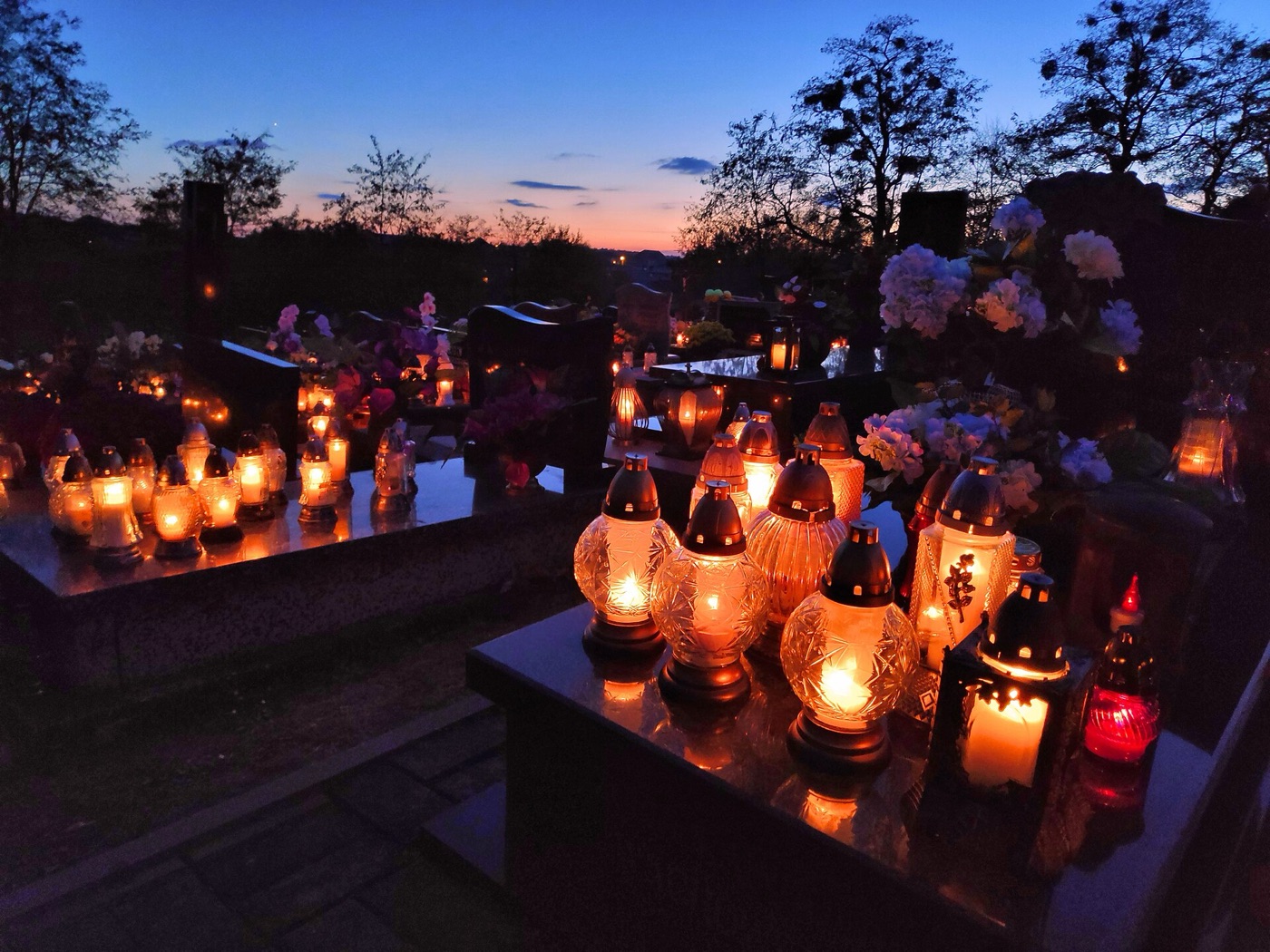
- You can show your own sadness, together with what helps: talking, a walk, lighting a candle, the usual daily routine.
What to watch for in the coming days
In the first days after such an event children more often have trouble concentrating and sleeping, may be irritable, and may not want to leave their parents or the house. They come back to the subject even when they try not to think about it. These are common reactions and they usually ease within a few weeks.
If they last longer, get worse or get in the way of school and daily life, contact the school psychologist, a poradnia psychologiczno-pedagogiczna (public child guidance centre) or your family doctor. Children who were in the city centre on Saturday or who knew someone among the victims need particular attention.
Where to find help
Kraków has set up free psychological help for residents, including witnesses. The national helplines below are free of charge.
- Kraków Municipal Crisis Intervention Centre (Miejski Ośrodek Interwencji Kryzysowej): 12 421 92 82.
- In person on Sunday 8 November: Poradnia Psychologiczno-Pedagogiczna nr 4, os. Kalinowe 18, tel. 12 644 18 85, and Poradnia nr 1, ul. Chmielowskiego 1, tel. 12 430 50 52. From Monday both centres run extra phone hours.
- 116 111: helpline for children and young people (Dajemy Dzieciom Siłę Foundation).
- 800 12 12 12: children's helpline of the Ombudsman for Children (Rzecznik Praw Dziecka).
- 800 70 22 22: support centre for adults in mental crisis; 116 123: helpline for people in emotional crisis.
- 800 108 108: support after loss and in grief (Nagle Sami Foundation).
- 112: when life or health is in danger.
Sources & further reading
- Kraków.pl: Strzały w centrum Krakowa. Są zabici i ranni (komunikat miasta, żałoba 8–11 listopada) ↗
- RMF24: Kraków uruchamia pomoc kryzysową po strzelaninie ↗
- RMF24: Żałoba narodowa po strzelaninie w Krakowie (8 i 9 listopada) ↗
- National Child Traumatic Stress Network: Talking to Children about the Shooting ↗
- KCPU: Gdy dziecko doświadcza straty (B. D. Perry, J. Rosenfelt) ↗
Prepared with AI assistance using the sources below. Editorial standards ↗