Take this with you
- People under temporary protection, with a residence card granting labour-market access or with a work visa study at public schools for adults and on KKZ courses like Poles, with no tuition fees.
- Other foreigners can study for a fee or as scholarship holders; the governing body sets the fee and may waive it.
- A foreigner needs a state Polish certificate at level B1 or higher to study at a post-secondary school.
- A Ukrainian certificate is recognised under international agreements or by a decision of the regional education authority.
- Schools for adults admit people who are 18 or turn 18 in the year of admission.
Who studies on the same terms as Poles
Poland's School Education Act (Prawo oświatowe, art. 165(3)) lists groups of foreigners who may study at public schools for adults (szkoły dla dorosłych), second-level sectoral vocational schools (branżowe szkoły II stopnia), post-secondary schools (szkoły policealne) and on qualifying vocational courses (kwalifikacyjne kursy zawodowe, KKZ) on the same terms as Polish citizens. At a public school this means no tuition fees.
For people from Ukraine the most relevant groups on the list are:
- people under temporary protection in Poland;
- holders of a residence card marked "dostęp do rynku pracy" (access to the labour market), or of a Schengen or national visa issued for work;
- holders of a permanent residence permit or an EU long-term resident permit;
- holders of a temporary residence permit issued, among other reasons, for highly qualified work, seasonal work, studies or family reunification (arts. 127, 137a, 159(1) and 176 of the Foreigners Act);
- holders of a valid Karta Polaka (Pole's Card), refugees, people with subsidiary protection, humanitarian or tolerated stay, and applicants for international protection.
If your document is not on the list
Foreigners outside these groups can still attend a public school for adults, a post-secondary school or a KKZ, but as scholarship holders or for a fee (art. 165(5)). The fee is set by the school's governing body (organ prowadzący, usually the county or city), which may also waive it in full or in part.
In practice, first check which residence document you hold today and until when it is valid. That document, not citizenship alone, decides the terms. Your status can change during the course, so ask the school office which documents it accepts.
School for adults: age and previous education
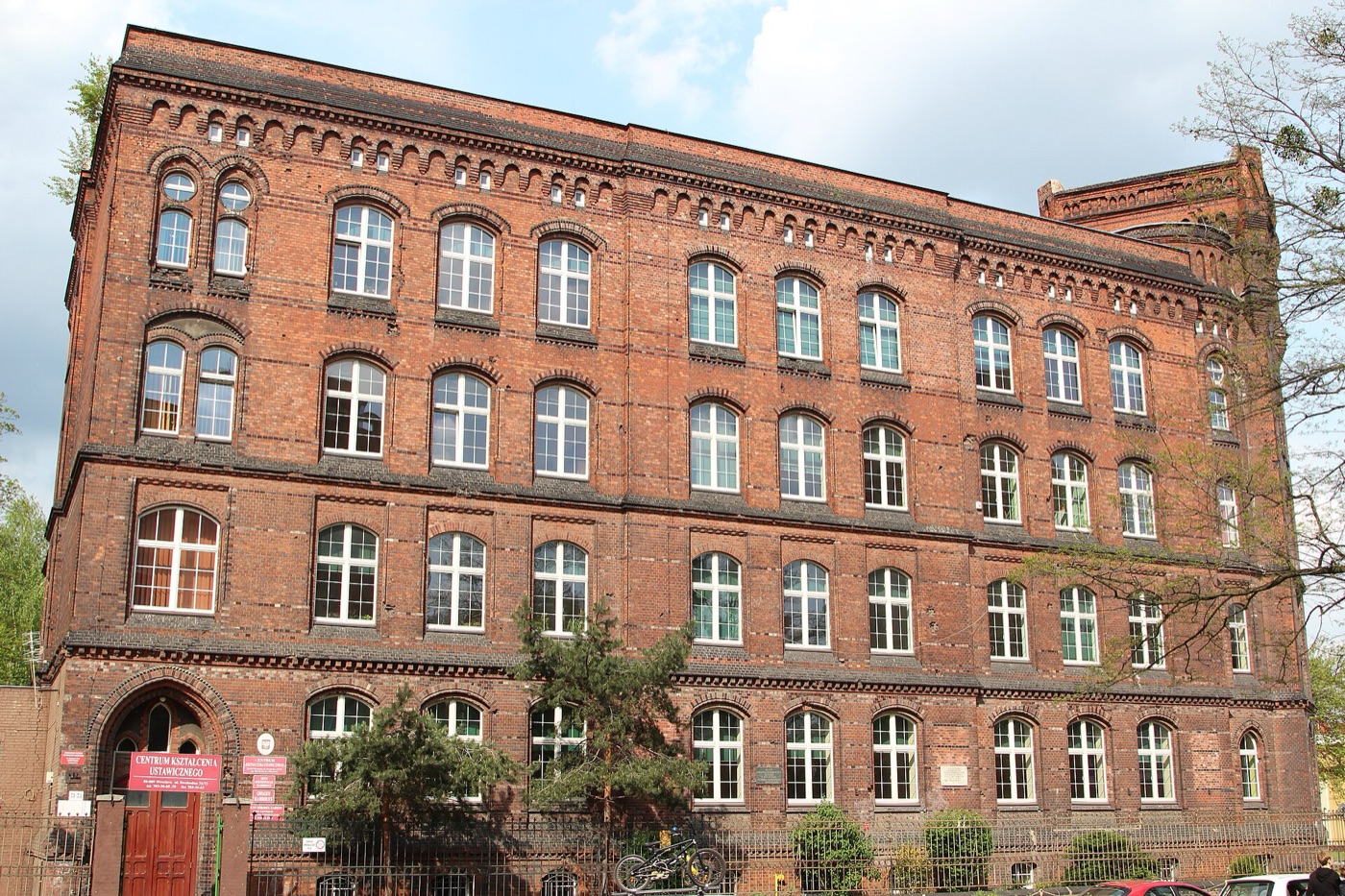
A school for adults admits people who are 18 or will turn 18 in the calendar year of admission (art. 4(29)). It can be a primary school for adults or a general secondary school for adults (liceum ogólnokształcące dla dorosłych), often run as weekend classes at a centre for continuing education (centrum kształcenia ustawicznego, CKU).
To enter a secondary school for adults you need a completed eight-year Polish primary school or the former lower secondary school, gimnazjum (art. 141). If your certificate is from Ukraine, the school may ask for it to be recognised (see below). After a secondary school for adults you can sit the matura (Polish school-leaving exam) and apply to university.
Post-secondary school and KKZ: a trade, with a language condition
A qualifying vocational course lets you gain one qualification within a trade and sit the state vocational exam. Foreigners from the list above take it on the same terms as Poles.
Post-secondary schools have an extra condition. Since 1 September 2025 a foreigner may study at one, public or private, only after presenting a certificate of Polish at level B1 or higher (art. 165(5a)). This means the state certificate under the Polish Language Act, not a certificate of attendance from a course. If you plan to start a post-secondary school in September or February, book the certificate exam well ahead.
Recognising a Ukrainian school certificate
Certificates issued abroad are recognised under international agreements, and where an agreement does not provide otherwise, by an administrative decision of the kurator oświaty (regional education authority) (art. 93 of the Education System Act). The competent authority is the one for your place of residence. It compares your schooling abroad with schooling in a Polish public school: content, length and the rights the certificate gives in the issuing country.
If obtaining an original or duplicate certificate is very difficult, for example for a person affected by armed conflict, education can be confirmed by an administrative decision in a separate procedure (art. 93a). For refugees and people with subsidiary protection, the decision is issued by the regional education authority in Warsaw (Mazowieckie).
A plan for the coming weeks
Schools for adults teach in semesters: the law speaks of admission "to the first semester". Some schools admit learners not only in September but also for the second half of the school year, so ask about a February start now:
- Check your residence document against the list in art. 165(3).
- Find a CKU or school for adults in your county and ask about the admission date and the documents required.
- Collect your Ukrainian certificates with a sworn translation, and ask the school whether it needs a recognition decision from the kurator.
- If you are aiming for a post-secondary school, plan the B1 Polish certificate exam.
- If you want a trade quickly, ask about a KKZ: it is usually shorter than a full school.
Sources & further reading
- Ustawa – Prawo oświatowe, tekst jednolity Dz.U. 2026 poz. 820: art. 4 pkt 29 (szkoła dla dorosłych), art. 141 (przyjęcie do szkoły dla dorosłych), art. 165 ust. 3–6 (cudzoziemcy w szkołach dla dorosłych, policealnych i na KKZ) ↗
- Ustawa o systemie oświaty, tekst jednolity Dz.U. 2025 poz. 881: art. 93–93c (uznawanie świadectw uzyskanych za granicą, kurator oświaty) ↗
Prepared with AI assistance using the sources below. Editorial standards ↗