Take this with you
- In Warsaw, 'Summer in the City' runs from 29 June to 31 August 2026.
- Warsaw fees: PLN 30/day for care and PLN 20 for meals, with exemptions.
- Look for activities at libraries, cultural centres, sports centres and museums.
- Before paying, ask about carers, the daily plan, price and safety rules.
Municipal day camps: the Warsaw example
Many cities organise care and activities in schools over the summer. In Warsaw, 'Summer in the City' (Lato w Mieście) runs from 29 June to 31 August 2026. Sign-ups were online from 18 to 31 May, choosing weekly sessions and a list of preferred schools; qualification results appeared on 2 June.
- Holiday centres open five days a week, roughly from 7:00–8:00 to 16:00–17:00.
- Fees: PLN 30 a day for care and PLN 20 for two meals (one hot).
- Children receiving free or subsidised school meals during the year are exempt.
- If sign-ups have closed, ask centres about free places in later weeks.
Where else to look
Even if your town has no big summer programme, year-round institutions usually run activities. Their offers appear on websites, social media and noticeboards.
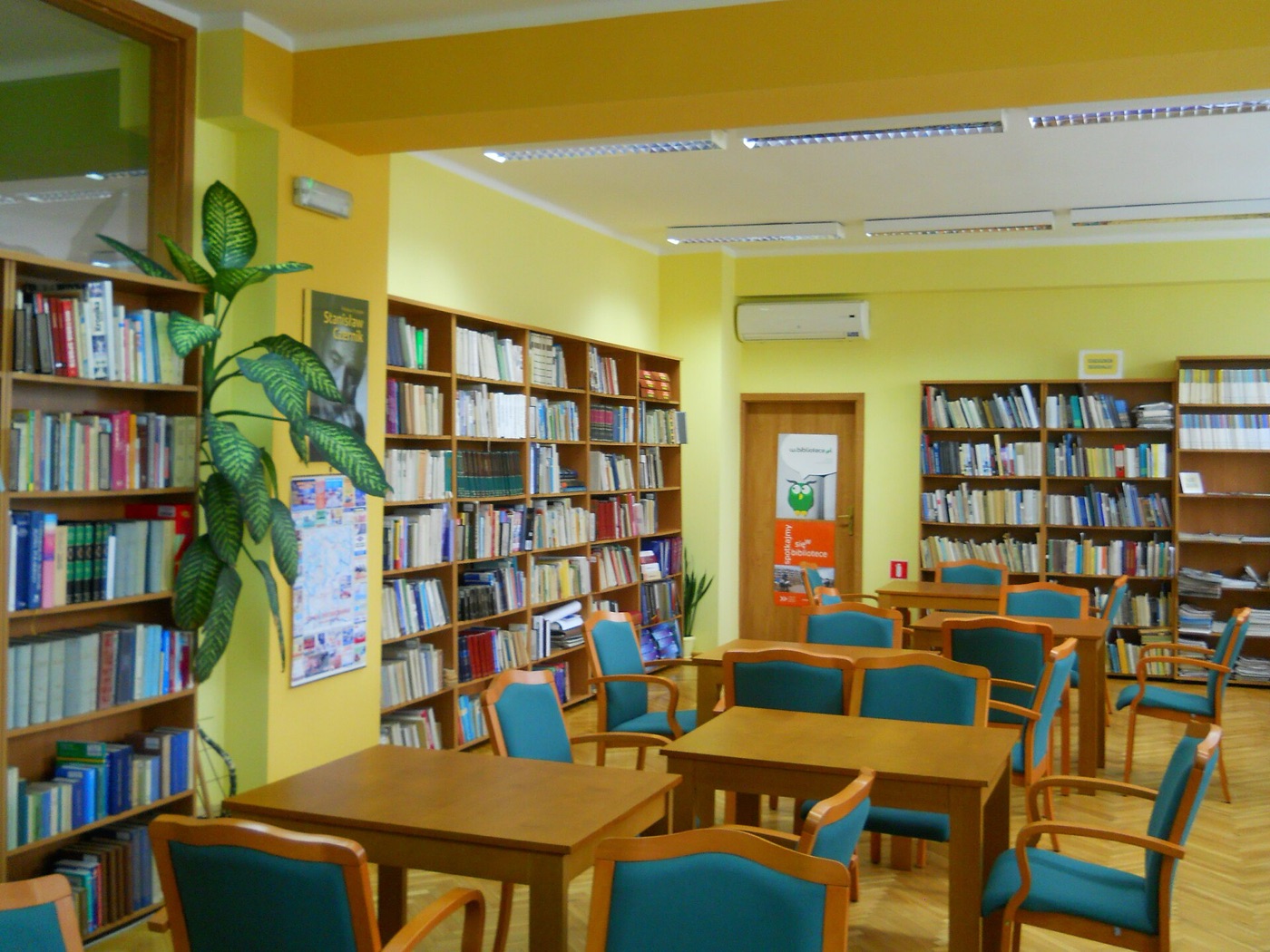
- Public libraries — summer reading challenges, workshops, board games; often free.
- Cultural centres — art workshops, open-air cinema, weekly sessions for a small fee.
- Municipal sports centres — pools, courts, pitch sessions, sometimes free training for children.
- Museums and zoos — summer workshops and free-entry days.
- Scouting, parishes, NGOs — camps, day camps and trips at affordable prices.
How to judge an organiser
For paid day camps and camps, ask a few questions before paying:
- Who leads the camp and how many carers are there per group?
- What does the day look like, and what about rainy days?
- What does the price include: meals, tickets, insurance, transport?
- Is there a lifeguard for water activities and what are the swimming rules?
- What are the cancellation and refund terms?
Summer safety
In summer children spend more time near water, on bikes and without adults nearby. Go over the rules: swim only at guarded spots, helmet on bikes and scooters, sunscreen and water in the heat, agreed return times and phone contact. Older children can write their own list of summer rules — they're more likely to stick to them.
Free time counts too
Not every day needs a programme. Children also need time for boredom, play with friends and a break from schedules. A good compromise is a mix: a few weeks of organised activities, a week with grandparents, some days of family holiday and some days 'to fill'.
Sources & further reading
Prepared with AI assistance using the sources below. Editorial standards ↗